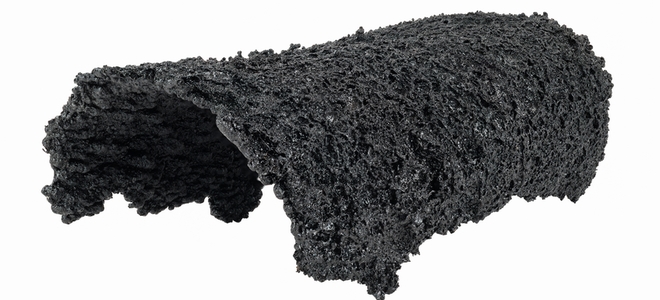
Anytime you use your fireplace, creosote can accumulate inside the chimney liner (flue). Because creosote is highly flammable, it’s smart to keep buildup to a minimum—and to schedule regular inspections.
The 3 stages of creosote buildup
Creosote generally progresses through three stages. As it advances, it becomes both more hazardous and harder to remove.
Stage 1: Soot / Flaky deposits
Looks like dry, flaky soot. This is typically the easiest stage to remove with a standard chimney brush.
Stage 2: Crunchy / Tar flakes
Shiny, darker flakes that contain hardened tar. This often requires specialized removal methods, such as rotary cleaning systems, to break up deposits more effectively.
Stage 3: Glazed / Tar-like coating
Thick, glossy, tar-like creosote that can recoat itself over time. This stage is the most dangerous and can be extremely difficult to clean. A hot fire can ignite it, creating a high-risk chimney fire scenario.
If you suspect glazed creosote, it’s best to have a professional inspect and recommend the safest approach for removal and repair.
A chimney fire can lead to structural damage and potentially a house fire. If you’ve had a chimney fire (or suspect one), schedule an inspection before using the fireplace again.
Top 5 ways to minimize creosote
Here are practical habits that reduce creosote formation and keep fires burning cleaner:
- Avoid slow, smoldering fires. Low-temperature fires produce more smoke and combustion by-products that condense inside the flue.
- Burn seasoned wood. Firewood should dry for at least 6 months (often closer to a year) so moisture content is low enough for clean burns.
- Skip artificial “packaged logs.” Some manufactured logs can increase residue and creosote deposits—especially in certain appliances.
- Burn hot fires with plenty of air. Restricted airflow (common with some inserts or closed doors) can increase second-stage creosote deposits.
- Keep the flue warm. Exterior chimneys (or poorly insulated flues) stay colder, which encourages condensation and creosote buildup.