Absolute Chimney & Fireplace Restoration is Pittsburgh’s choice for professional demolition, restoration, and relining—done with safety, code requirements, and long-term durability in mind.
What a typical relining job includes
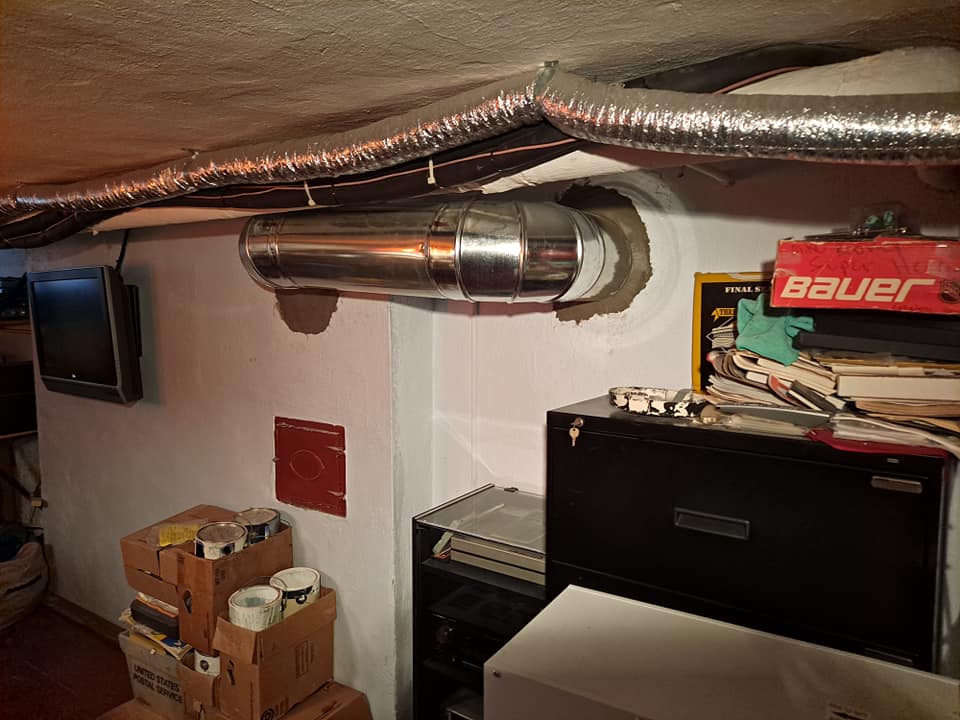
We’ll prepare the fireplace and flue, install a U.L.-listed stainless steel liner with the proper components, insulate as required, and address the smoke chamber and top termination (cap/damper) as needed.
Our streamlined process
While we tailor the details to your chimney, most projects follow the steps below:
- Inspection & assessment — We evaluate flue condition, draft issues, creosote, water intrusion, and any structural concerns.
- Preparation — We protect the work area and prep the chimney/fireplace for relining. If there’s damaged material that needs removal, we handle that safely.
- Liner installation — We install a U.L.-listed stainless steel liner and the correct connector/termination components for your appliance and setup.
- Insulation — The liner is insulated where appropriate to improve safety and performance (and to help reduce condensation issues).
- Smoke chamber repair — We parge the smoke chamber using products like Chamber Tech 2000 when needed for a smoother, safer pathway for smoke.
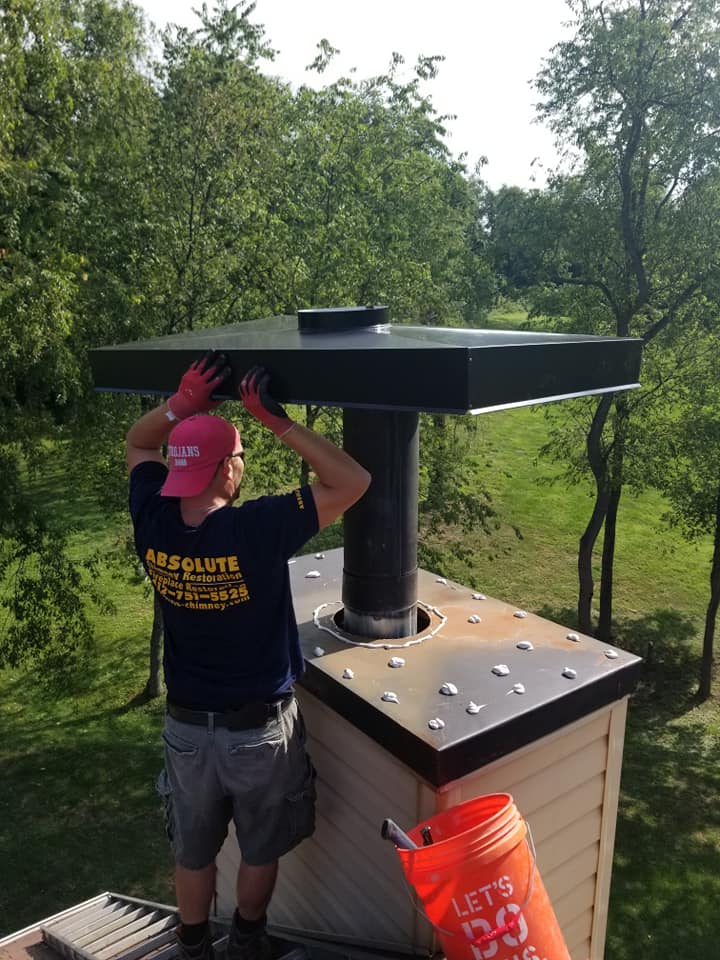
- Top termination — We finish the top of the chimney as needed, including installing a stainless steel cap and/or damper.
- Final check & walkthrough — We verify everything is secure and explain what was done, what to watch for, and recommended maintenance.
Want a clear plan and price?
Call us and we’ll explain what your chimney needs, what can wait, and the safest way to get your fireplace back in service.
Note: Exact steps can vary based on chimney condition, appliance type, and code requirements. We’ll confirm what applies to your home during inspection.