When wood is burned, smoke travels up the chimney and cools. Some of those byproducts can condense into creosote—a flammable residue that can increase the risk of a chimney fire.
Why chimney sweeping matters
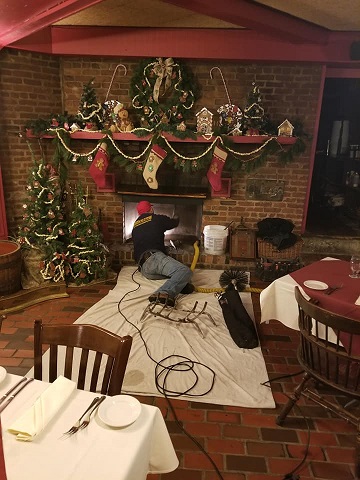
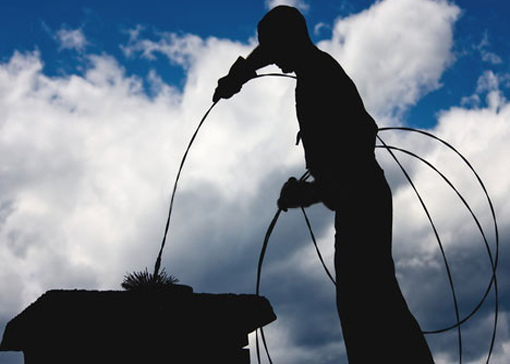
Sweeping removes creosote and debris using specialized brushes and professional equipment. It also helps improve draft and reduces smoky odors.
A common best practice is to have your chimney inspected annually to determine whether sweeping is needed and to catch safety or moisture issues early.
Signs you may need a sweep
- Smoky odor in the home (especially near the fireplace)
- Poor draft or smoke spillage into the room
- Black, shiny, tar-like residue (glazed creosote)
- More than 1/8” creosote buildup (rule-of-thumb threshold)
- It’s been a year (or more) since the last inspection
What we look for during an inspection
Every home is different, but we typically evaluate safety, venting performance, and common failure points—then explain what’s needed (and what can wait).
- Creosote buildup level and flue condition
- Draft performance and smoke chamber condition
- Signs of water intrusion (staining, rust, efflorescence)
- Blockages (nests, debris) and cap condition
- General safety concerns and repair recommendations
If you suspect a chimney fire (loud cracking/popping, strong smoky odor, or visible flames/sparks from the chimney), stop using the fireplace and schedule an inspection before using it again.