What insurance may cover
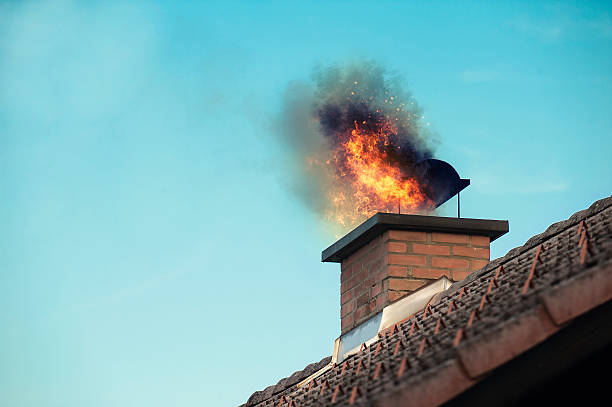
Many homeowners policies cover sudden, accidental events (like storm damage or a chimney fire). Coverage depends on your specific policy and the condition of the chimney before the incident.
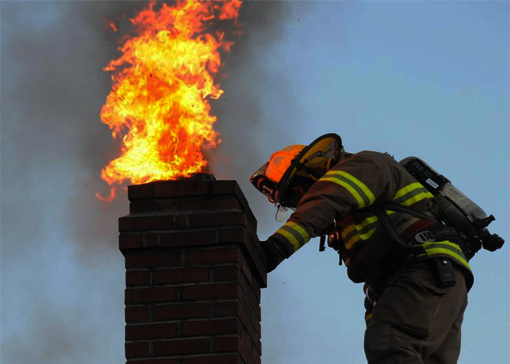
- Chimney fire damage (sudden event)
- Wind damage to caps/crowns/flashing
- Hail or storm damage above the roofline
- Lightning strike damage
- Fallen limbs impacting the chimney structure
If you’ve had a chimney fire (or suspect one), avoid using the fireplace until it’s inspected. Damage can be hidden inside the flue, smoke chamber, or framing areas.
Common issues that are often not covered
Insurance often denies claims when the damage is tied to wear-and-tear, neglect, or problems that existed before the covered event.
Long-term water intrusion (leaks over time)
If this issue existed before the incident, insurers may classify the loss as preventable or maintenance-related.
Pre-existing deterioration (spalling brick, failing mortar)
If this issue existed before the incident, insurers may classify the loss as preventable or maintenance-related.
Creosote buildup from lack of cleaning/maintenance
If this issue existed before the incident, insurers may classify the loss as preventable or maintenance-related.
Old/damaged flue tiles that were already unsafe
If this issue existed before the incident, insurers may classify the loss as preventable or maintenance-related.
Neglect-related issues documented before the event
If this issue existed before the incident, insurers may classify the loss as preventable or maintenance-related.
How creosote can impact a claim
One of the biggest culprits in chimney fires is creosote—a flammable residue that can build up when smoke cools inside the flue. If a fire is linked to heavy buildup and a lack of regular sweeping, some insurers may deny coverage because the risk was preventable with routine maintenance.
What we can do to help
We’re happy to work with you through the process by inspecting the damage and providing clear documentation and an estimate.
- On-site inspection of damage
- Photos + documentation for your claim file
- A clear estimate and scope of repairs
- Repair recommendations that prioritize safety and code-related concerns
Note: We can’t guarantee coverage—your insurance carrier makes that decision based on your policy and claim facts.