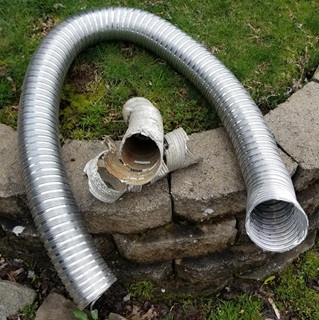
Maintaining a chimney liner helps protect your home by guiding smoke, gases, and heat safely out of the chimney. A damaged or deteriorating liner can increase the risk of chimney fires, carbon monoxide leaks, and masonry damage. Regular inspections and timely repairs help keep your fireplace system safer and more efficient.
If you notice strong smoke smells, poor draft, pieces of tile in the firebox, water leaks, visible cracks, or signs of a previous chimney fire, stop using the fireplace and schedule a chimney liner inspection.
Why chimney liner maintenance is important
1) It helps contain heat and combustion gases
A properly maintained liner helps carry smoke, heat, and combustion byproducts out of your home. Cracks, gaps, or deterioration can allow dangerous gases to escape into areas where they do not belong.
2) It protects the chimney masonry
Chimney liners help shield brick and mortar from corrosive byproducts, moisture, and high temperatures. When a liner is damaged, the surrounding masonry can deteriorate faster and lead to more expensive repairs.
3) It can reduce fire risk
Creosote, heat, and damaged liner sections can create unsafe conditions inside the chimney. Regular inspections help identify buildup, cracks, and liner damage before they become serious hazards.
4) It supports proper draft
The liner needs to be correctly sized and in good condition for the appliance or fireplace it serves. A damaged, blocked, or improperly sized liner can contribute to smoke problems, poor performance, and excess buildup.
5) It helps protect against carbon monoxide concerns
If gases cannot vent properly through the chimney, carbon monoxide can become a serious safety issue. Keeping the liner clean, intact, and properly connected is an important part of protecting the home.
6) It helps catch small problems early
A professional inspection can reveal cracked clay tiles, rusted metal liners, gaps, blockages, moisture damage, or signs that relining may be needed. Catching these issues early can prevent bigger chimney repairs later.
Chimney liner maintenance checklist
- Schedule regular chimney inspections to check liner condition.
- Watch for smoke backup, poor draft, or unusual fireplace odors.
- Look for broken clay tile pieces or debris in the firebox.
- Address water leaks quickly to help prevent liner and masonry damage.
- Keep up with chimney cleaning to reduce creosote buildup.
- Repair or replace a damaged liner before using the fireplace again.